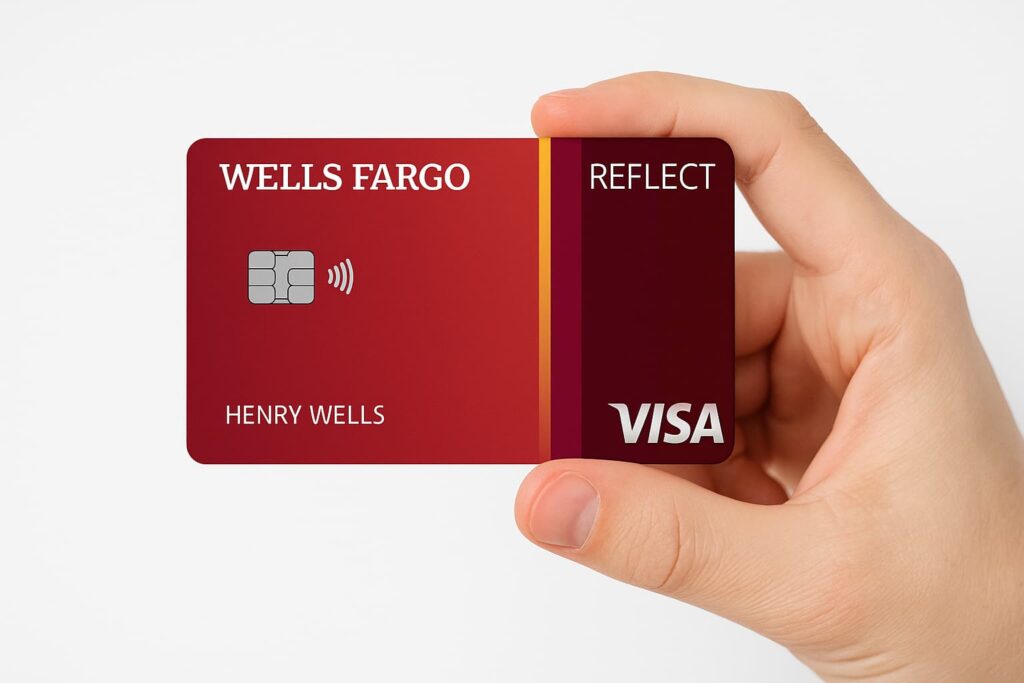

A simple way to review current credit card choices in one place

For many people, a credit card becomes part of daily life without much thought. It is used for groceries, online purchases, subscriptions, and occasional larger expenses. Over time, the card simply becomes “the one you use,” even if it was never intentionally chosen to match your habits or priorities.

What many cardholders don’t realize is that the credit card market is constantly shifting. New products appear, existing cards are updated, and entire categories evolve. This means that the card you opened years ago may no longer be the best match for how you live, spend, and organize your finances today.
Taking a few minutes to review what is currently available can often reveal options that feel more aligned with your real-world needs.
How habits evolve, but cards often stay the same
A card that made sense at one stage of life may not make sense years later. Someone who once used a card mainly for basic expenses may later rely on it for frequent online shopping, travel, or recurring subscriptions.
Despite these changes, many people never update their card choice. The result is a growing gap between how the card is used and what it was originally designed for.
This doesn’t mean the original choice was wrong. It simply means that personal and financial habits evolve faster than most people’s willingness to review their tools.
Modern platforms now make it easier to see what alternatives exist, without needing to visit multiple providers one by one.
Exploring available cards through American Express
Using a large international platform can simplify the process of reviewing credit card options.
Rather than manually searching across different banks or financial institutions, platforms like American Express can present a structured overview of cards that may be available in your region.
A typical exploration process often looks like this:
- Open the American Express website and navigate to the cards section
- Choose your country or allow automatic location settings
- Browse the cards currently shown for your market
- Sort or filter based on how you plan to use the card
- Open individual card pages to understand what each option focuses on
This approach helps you move from a broad overview to a more focused short list, without turning the process into a long research project.
Why some users prefer globally recognized card providers
Large international card brands often attract users for reasons that go beyond basic payment functionality.
Many cardholders associate global providers with consistency, broader acceptance, and a more standardized experience across different regions. For people who shop online, use international services, or interact with global platforms, this perceived stability can be an important factor.
In general, users often look to brands like American Express for:
- A sense of reliability tied to a global network
- Structured card categories that match different lifestyles
- Digital tools that support account organization
- Support systems designed for a wide user base
- Access to partnerships and curated offers in some markets
Again, the exact experience depends on the specific card and the region, which is why reviewing local availability remains essential.
Availability depends on where you are and who you are
Not every card is offered in every market. What appears as an option in one country may not be visible in another. In addition, certain cards are designed for specific user profiles.
Eligibility rules, regional regulations, and market strategies all influence which cards are shown and which features apply. This is why two people searching from different locations may see different sets of options.
Before making any decisions, it is generally useful to:
- Read the regional details attached to each card
- Check whether specific features apply in your location
- Confirm that the card fits your current situation
This step helps align expectations with what is realistically available.
Looking at credit cards by purpose, not by name
Instead of focusing on brand names or searching for a single “top” card, many people find it more helpful to think in terms of purpose.
💳 Cards designed for everyday use
These cards are commonly chosen to handle regular expenses. They are often valued for straightforward use, predictable behavior, and the ability to centralize daily spending.
✈️ Cards built around travel habits
Some cards are structured with frequent travelers in mind. These are typically selected by people who spend time moving between locations and want a card experience that feels compatible with that lifestyle.
🛍️ Cards centered on rewards and added features
For users who rely heavily on their card, reward-oriented options can feel more attractive. These cards aim to make frequent use more engaging by offering additional layers of value.
🧾 Cards intended for building or adjusting financial profiles
Certain options are designed to support people who are at an earlier stage or who want to improve how they are positioned for future financial tools.
| Typical Situation | Card Focus | Main Intention |
|---|---|---|
| Daily transactions | Everyday-use cards | Simplicity and consistency |
| Regular travel | Travel-oriented cards | Mobility and flexibility |
| Heavy card usage | Rewards-focused cards | Extra value through use |
| Profile development | Credit-building cards | Gradual financial progression |
Matching your card to how you actually live
A more effective approach to choosing a card starts with honesty about how you use it.
Some people rarely travel but rely on their card for nearly every purchase. Others travel frequently but make fewer daily transactions. Some prioritize organization and budgeting, while others focus on convenience and flexibility.
Reflecting on questions like these can help narrow your focus:
- What do I use my card for most often?
- Has my lifestyle changed in recent years?
- Do I want a simpler experience or more layered features?
- Am I using my card as a basic tool or as part of my broader financial setup?
This kind of self-assessment doesn’t replace research, but it helps ensure that your search is aligned with reality.
Why centralized platforms reduce friction

Searching for credit card options across multiple websites can quickly become frustrating. Each provider presents information differently, and comparing options manually can feel overwhelming.
Centralized or international platforms aim to reduce this friction by presenting multiple card options in a consistent format. This allows users to scan, compare, and filter without constantly switching environments.
For many people, this is what makes the difference between never checking and actually reviewing what is available.
Reviewing options sooner rather than later
Because offers and availability change, waiting indefinitely to review your options often means missing changes that could be relevant.
Checking what is currently available does not force you to take action. It simply gives you better awareness of what exists today. For some users, that awareness alone leads to better long-term decisions.
Even if you ultimately keep your current card, the process of reviewing alternatives can clarify whether it still fits your lifestyle.
Take a look at what’s available for you
A credit card should feel like a tool that supports how you live, not something you use simply because it has always been there.
By exploring current options, understanding different card purposes, and using centralized platforms, you can get a clearer picture of what may better match your profile today.
👉 Explore available credit card options through American Express International and see which choices align with your lifestyle.